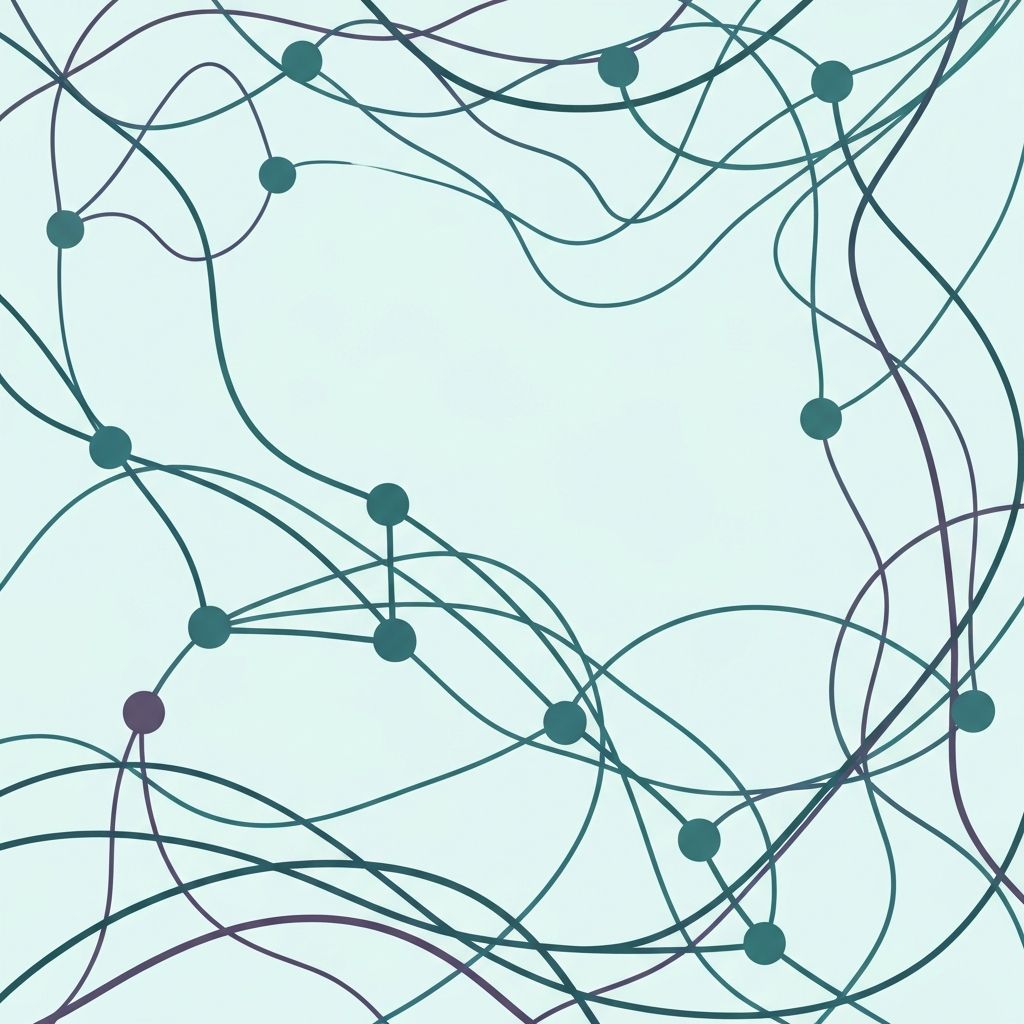
At the cellular level, neurobiological changes involve synaptic strengthening—the amplification of connections between neurons. When neurons are repeatedly activated in a specific sequence, the synapses connecting them undergo biochemical changes that increase the efficiency of signal transmission.
This process, often summarized as "neurons that fire together wire together," reflects the principle of Hebbian learning—a foundational concept in neuroscience. Repeated co-activation of neural pathways increases their strength and coherence, making future activation of those pathways more likely and more efficient.
Through repeated practice and consistent environmental contexts, the neural circuits supporting a particular behavior become increasingly organized and efficient. The behavior requires less cognitive resources to execute. Brain activation patterns become more focused and automated.